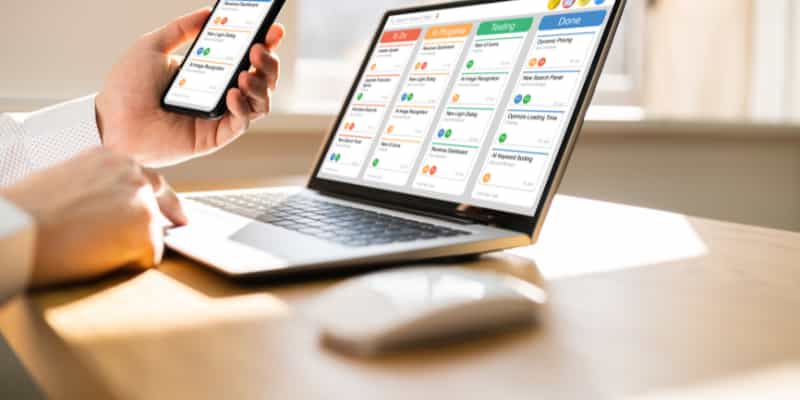
Mobile apps have become essential tools for managing daily life. From productivity and communication to health, finance, and entertainment, there is an app for nearly every task. However, with millions of options available, choosing the right app can be overwhelming. Installing too many apps often leads to clutter, distraction, and wasted time rather than improved efficiency.
Selecting the right app for your daily needs requires intention, evaluation, and clarity about what you actually want to accomplish. The best app is not the most popular or feature-rich—it’s the one that fits your lifestyle, habits, and goals.
Start with Your Real Needs
Before browsing app stores, it’s important to identify the problem you want to solve. Many people download apps out of curiosity or trends, only to abandon them shortly after.
Ask yourself:
- What task do I want to simplify or improve?
- How often will I realistically use this app?
- Is this a daily need or an occasional one?
Clarity at this stage prevents unnecessary downloads and helps you focus on apps that provide real value.
Define Success for the App
Different users define success differently. For some, success means saving time. For others, it means staying organized, building habits, or reducing stress.
Consider what success looks like for you:
- Faster task completion
- Better focus and fewer distractions
- Improved consistency in routines
- Clear visibility of priorities
When you know what success means, it becomes easier to evaluate whether an app truly supports your goals.
Avoid Feature Overload
Many apps advertise dozens of features, but more functionality does not always translate into better usability. Feature overload can create confusion and discourage long-term use.
Instead, look for apps that:
- Focus on core functionality
- Offer a clean and intuitive interface
- Provide value quickly without complex setup
An app that does one thing well is often more effective than one that tries to do everything.
Evaluate User Experience and Design
User experience plays a major role in whether an app becomes part of your daily routine. Even powerful apps fail if they are frustrating to use.
Pay attention to:
- Ease of navigation
- Visual clarity and layout
- Speed and responsiveness
- Onboarding experience
If an app feels confusing or slow during the first few minutes, it is unlikely to improve with time.
Check Reviews—But Read Them Critically
User reviews provide valuable insight, but they should be read carefully. High ratings alone don’t tell the full story.
Look for:
- Recent reviews that reflect the current version
- Comments about reliability and bugs
- Feedback on customer support and updates
Be cautious of reviews that focus only on missing features or isolated complaints. Patterns matter more than individual opinions.
Understand Pricing and Long-Term Costs
Many apps offer free versions with limitations and paid plans for full access. Understanding pricing upfront helps avoid frustration later.
Consider:
- Whether the free version meets your needs
- If subscriptions offer clear value
- Whether the cost aligns with how often you’ll use the app
An app that saves you time or reduces stress may be worth paying for, but only if it delivers consistent value.
Check Compatibility and Integration
The best apps fit smoothly into your existing digital ecosystem. Compatibility with your devices and other tools matters.
Ask yourself:
- Does it work across my devices?
- Can it sync with tools I already use?
- Does it support offline access if needed?
Apps that integrate well reduce friction and prevent duplicated effort.
Consider Privacy and Data Practices
Apps often handle sensitive personal data, making privacy an important factor in the decision-making process.
Before committing, check:
- What data the app collects
- How that data is used and stored
- Whether permissions seem reasonable
Apps that are transparent about data practices and offer control over privacy settings are generally more trustworthy.
Test Before You Commit
Most apps offer free trials or basic versions. Use this opportunity to test the app in real-life conditions.
During the trial period:
- Use the app as you normally would
- Pay attention to friction points
- Assess whether it fits naturally into your routine
If you forget to use the app or feel resistance, it may not be the right fit.
Beware of App Hopping
Constantly switching between apps can be counterproductive. Each new app requires time to learn and adapt.
Instead of app hopping:
- Commit to one app for a set period
- Allow habits to form
- Adjust settings before switching tools
Consistency often matters more than finding the “perfect” app.
Minimalism Beats Quantity
More apps do not equal better productivity. In fact, too many apps can create distraction and decision fatigue.
Aim for:
- A small, intentional app set
- Apps with clear purposes
- Regular reviews of installed apps
Deleting unused apps can be just as powerful as downloading new ones.
Adapt as Your Needs Change
Your daily needs evolve over time. An app that works well today may not be ideal a year from now.
Periodically ask:
- Is this app still helping me?
- Has my routine or goal changed?
- Are there better options available now?
Re-evaluating tools ensures that your app choices continue to support your lifestyle.
The Role of Habit and Consistency
The best app is the one you actually use. Even a simple tool can outperform a powerful one if it fits your habits.
Look for:
- Apps that encourage consistency
- Gentle reminders instead of pressure
- Interfaces that feel comfortable and familiar
Long-term use matters more than initial excitement.
Choosing the right app for your daily needs is about alignment, not popularity. The most effective apps are those that support your goals, respect your time, and fit naturally into your routine.
By focusing on real needs, evaluating user experience, considering privacy, and avoiding unnecessary complexity, you can build a digital toolkit that truly enhances daily life.
In a world full of options, intentional choice is the key. When the right app works quietly in the background, daily tasks feel easier—and life feels more in control.