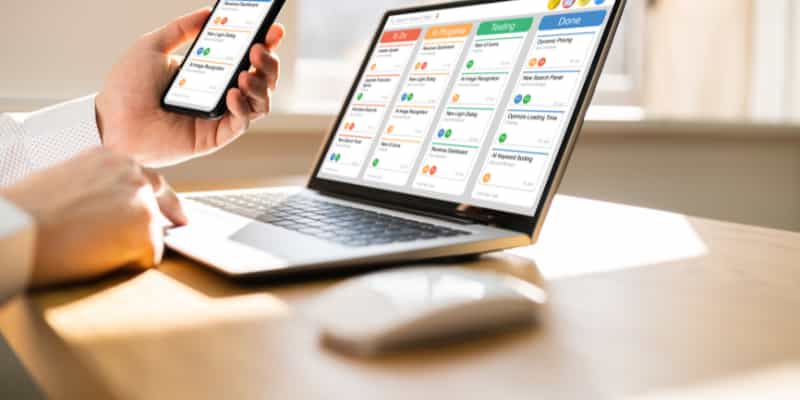
In the past, personal productivity was largely associated with planners, notebooks, desktop software, and strict routines. Today, that landscape has changed dramatically. Mobile apps—available anytime and anywhere—have reshaped how people manage their time, focus their attention, and accomplish daily goals. With smartphones now acting as personal assistants, productivity has become more accessible, personalized, and data-driven than ever before.
From task management and habit tracking to focus enhancement and automation, mobile apps are redefining what it means to be productive in a fast-paced, always-connected world.
The Rise of Mobile-First Productivity
The widespread adoption of smartphones has fundamentally altered how people interact with technology. Unlike desktop tools that require a fixed workspace, mobile apps travel with users throughout their day. This constant availability allows productivity tools to integrate seamlessly into real-life contexts—during commutes, meetings, workouts, or even moments of downtime.
Mobile-first productivity reflects modern lifestyles. People juggle work, personal projects, health goals, and social commitments, often across multiple locations. Productivity apps respond to this reality by offering lightweight, intuitive solutions that reduce friction and encourage consistent use.
As a result, productivity is no longer limited to office hours or work desks—it’s an ongoing, flexible process supported by mobile technology.
Task Management Made Simple and Smart
One of the most significant ways mobile apps have transformed productivity is through advanced task management. Traditional to-do lists have evolved into intelligent systems that help users prioritize, schedule, and complete tasks efficiently.
Modern task management apps allow users to:
- Break large goals into actionable steps
- Set deadlines, reminders, and recurring tasks
- Organize tasks by projects, contexts, or priorities
- Sync across devices and platforms
Many apps now include smart features such as AI-powered suggestions, automatic scheduling, and natural language input. For example, typing “Submit report tomorrow at 5 PM” instantly creates a structured task with a due date and reminder.
This simplicity reduces cognitive load, allowing users to focus more on execution and less on organization.
Time Tracking and Awareness
Productivity is not just about doing more—it’s about understanding how time is spent. Mobile time-tracking apps have brought new levels of self-awareness by showing users exactly where their hours go.
These apps help users:
- Track work sessions and breaks
- Analyze time spent on specific tasks or apps
- Identify distractions and inefficiencies
- Build healthier work routines
By visualizing time usage through charts and reports, users gain valuable insights into their habits. Many discover patterns they were previously unaware of, such as excessive time spent on social media or underestimating how long certain tasks take.
This awareness empowers better decision-making and encourages more intentional use of time.
Focus and Deep Work in a Distracted World
Ironically, the same device that causes distractions has become a powerful tool for improving focus. Productivity apps designed to enhance concentration have gained popularity, especially as remote work and digital overload increase.
Focus-oriented apps use techniques such as:
- Pomodoro timers and structured work intervals
- App and website blocking
- Ambient sounds or focus music
- Mindfulness and breathing exercises
By creating controlled environments for deep work, these apps help users minimize interruptions and maintain sustained attention. Some even gamify focus, rewarding users for staying on task and building streaks over time.
This shift highlights a growing recognition that productivity is not just about speed, but also about mental clarity and quality of attention.
Habit Building and Personal Growth
Personal productivity extends beyond work tasks—it includes health, learning, and self-improvement. Habit-tracking apps have transformed how people build and maintain positive routines.
These apps enable users to:
- Set daily or weekly habits
- Track consistency over time
- Receive reminders and motivational feedback
- Visualize progress with streaks and charts
By making habits visible and measurable, mobile apps increase accountability and motivation. Small actions—such as reading, exercising, or journaling—become easier to sustain when progress is clearly tracked.
Over time, these tools help users align daily actions with long-term goals, reinforcing the idea that productivity is about meaningful progress, not just efficiency.
Automation and Integration
Another major productivity boost comes from automation. Many mobile apps now integrate with each other, creating interconnected systems that reduce manual effort.
For example:
- Calendar apps sync with task managers
- Notes apps connect to project tools
- Automation platforms trigger actions based on events
These integrations eliminate repetitive tasks, such as manually updating schedules or copying information between apps. Some tools even allow users to create custom workflows, automating routine processes with minimal input.
Automation frees up mental energy and time, allowing users to focus on creative and strategic work instead of administrative tasks.
Personalization Through Data and AI
Mobile productivity apps increasingly leverage data and artificial intelligence to adapt to individual users. Rather than offering one-size-fits-all solutions, modern apps learn from user behavior and provide personalized insights.
Examples include:
- Smart task prioritization based on deadlines and habits
- Adaptive reminders that adjust to user responsiveness
- Productivity reports with actionable recommendations
This personalization makes productivity tools more effective and engaging. Users feel supported rather than overwhelmed, as apps adapt to their preferences, schedules, and working styles.
As AI continues to advance, productivity apps are expected to become even more proactive, offering guidance before problems arise.
Balancing Productivity and Well-Being
While productivity is often associated with output and performance, mobile apps are increasingly addressing the importance of balance. Burnout, stress, and digital fatigue have led to a broader definition of productivity—one that includes well-being.
Many apps now incorporate features such as:
- Break reminders and rest tracking
- Mental health check-ins
- Sleep and wellness integration
- Mindfulness and reflection tools
This holistic approach recognizes that sustainable productivity depends on physical and mental health. By encouraging rest and reflection, productivity apps help users maintain long-term effectiveness rather than short-term intensity.
Challenges and Considerations
Despite their benefits, productivity apps are not without challenges. Too many tools can lead to app overload, decision fatigue, and constant notifications. Productivity can paradoxically decrease if users spend more time managing apps than doing actual work.
To avoid this, users must be intentional about:
- Choosing a minimal set of tools
- Disabling unnecessary notifications
- Regularly reviewing and simplifying workflows
Productivity apps work best when they support habits and goals—not when they become distractions themselves.
The Future of Personal Productivity
Mobile apps have fundamentally transformed personal productivity by making it portable, personalized, and adaptive. They empower individuals to manage time, focus attention, and build meaningful habits in ways that were unimaginable just a decade ago.
As technology continues to evolve, productivity will likely become even more integrated into daily life, blending seamlessly with wellness, learning, and creativity. Ultimately, the most powerful productivity apps are not those that demand more effort, but those that help people work smarter, live better, and focus on what truly matters.
In this mobile-driven era, productivity is no longer about doing everything—it’s about doing the right things, at the right time, with clarity and purpose.